
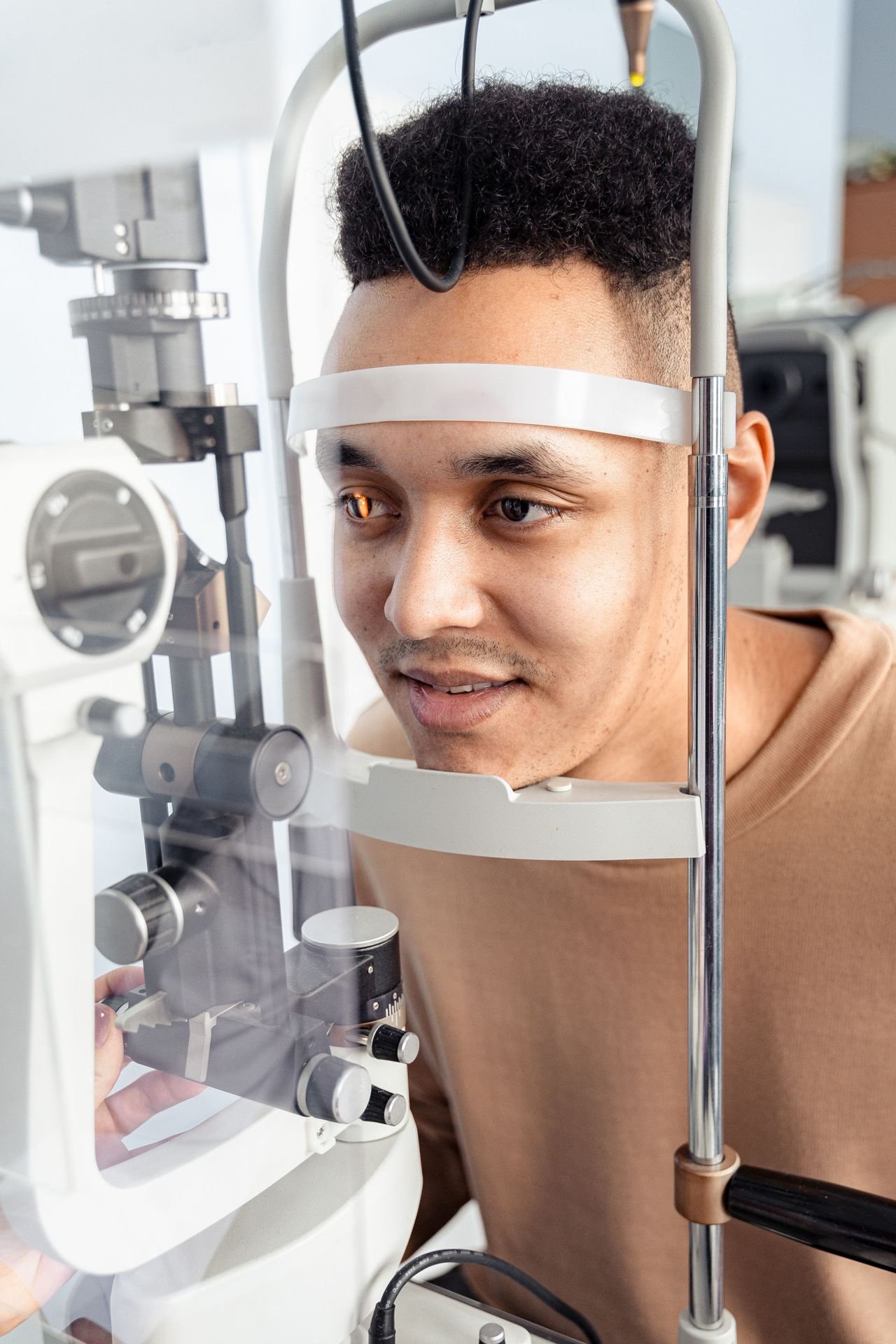

One trusted view of every eye image.
Ophthalmology is one of the most imaging-intensive specialties in medicine. At Moorfields Eye Hospital, Vern installed and configured hundreds of imaging modalities, then built the imaging data warehouse and ETL pipelines that turn their output into activity, research and billing intelligence.
From hundreds of devices to a single source of truth
Moorfields is a specialist eye hospital, and nearly every patient visit involves imaging or a diagnostic test. Scans come from many types of device, often from different manufacturers, across clinics and sites. Each device produces valuable data, but historically that data lived in separate systems, viewers and proprietary formats.
This engagement covered the whole chain: getting the modalities onto the network and talking to the hospital's systems, then extracting, cleaning and joining that data so the organisation could report on its imaging activity, support research and bill accurately. Patient pathways were also built to link imaging to the wider patient journey.

Imaging data that was everywhere and nowhere
Imaging-heavy specialties face a familiar set of problems once the device estate grows:
A large, mixed device estate
Many different modality types and vendors, each with its own configuration, software versions, export formats and local storage.
Fragmented data
Imaging records sat across modalities, PACS or archives, the patient administration system and vendor databases, with no single joined-up view.
Manual, slow reporting
Counting imaging activity, by modality, clinic or site, relied on manual collation that was hard to repeat and hard to trust.
Research access & billing
Researchers needed well-governed, de-identified datasets, and finance needed performed activity to match what was recorded and billed.
Five connected workstreams
1 · Modality installation & configuration
Installed and configured hundreds of ophthalmic imaging modalities across the hospital's clinics and sites, from optical coherence tomography (OCT) and fundus photography to angiography, visual fields and biometry devices. Work covered network set-up, DICOM configuration (AE titles, ports, storage and query settings), Modality Worklist so patient demographics come from the master system instead of being typed in, and connecting each device to the hospital's image archive.
2 · Imaging data warehouse
Designed and built a central imaging data warehouse that brings together study, series and device metadata (what was captured, on which device, where, when and for which patient episode) and joins it to administrative and clinical records. This created one consistent model of imaging activity the whole organisation can query.
3 · Multi-system extraction & ETL
Built ETL pipelines that extract data from multiple source systems, including modalities, the image archive, patient administration / EPR systems and device-specific databases, then validate, match and standardise it before loading it into the warehouse. Pipelines run on a schedule with data-quality checks, so the warehouse stays current without manual effort.
4 · Reporting for activity, research & billing
- Activity reporting: imaging volumes and trends by modality, clinic, site and period, for operational and capacity planning.
- Billing support: reconciling imaging and diagnostic activity actually performed against what is recorded, supporting accurate activity counting and income capture.
- Research extracts: repeatable, de-identified datasets for approved research projects, prepared to meet information-governance requirements.
5 · Patient pathways
Designed and built patient pathways that connect appointments, imaging and diagnostic tests and clinical follow-up, so a patient's journey can be followed end to end and bottlenecks in the pathway become visible.
How the data flows
A layered design keeps source systems untouched, isolates the transformation logic, and serves each audience from the same governed warehouse.
Sources
ETL pipelines
Warehouse
Outputs
Simplified, illustrative view of the data flow.

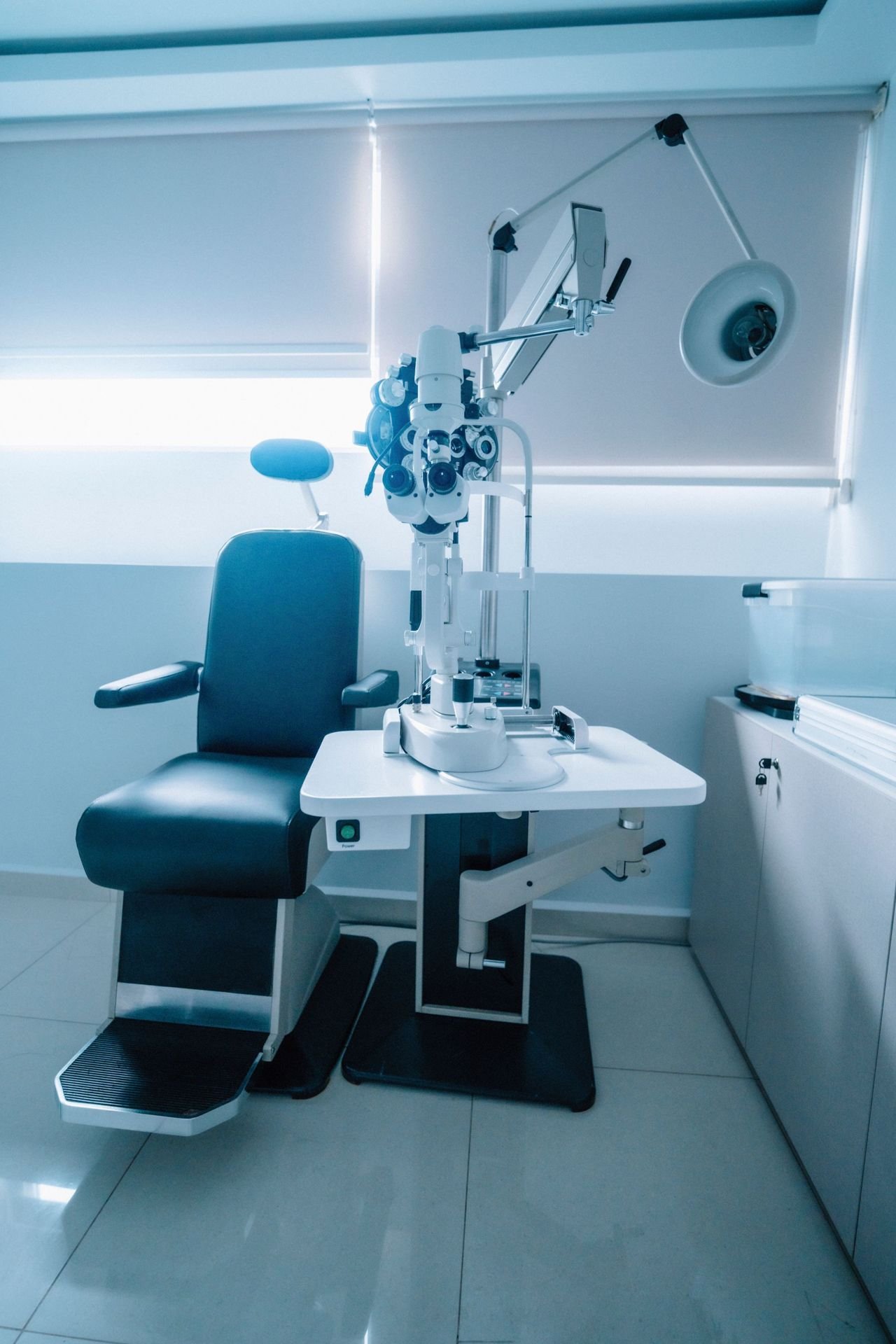
Built for patient trust
Imaging data is personal health data, and research use has to respect that. The approach treats governance as part of the design, not an afterthought:
- De-identification by design: direct identifiers are removed or pseudonymised in research outputs, and identifying DICOM header fields are handled before data leaves the controlled environment.
- Least-privilege access: operational, finance and research users see only the data their purpose requires.
- Traceability: each extract can be traced back to its source systems and the rules applied, so results can be reproduced and audited.
- Aligned to NHS information-governance expectations, working within the Trust's approvals processes for research data use.
Standards first, vendor-neutral
The work is built on open healthcare standards so that new devices can be added and systems changed without rebuilding the pipelines.
What changed
Imaging activity from across the device estate available in one governed, queryable place.
Scheduled pipelines replace hand-collated counts, making activity reporting faster and repeatable.
Performed imaging activity can be reconciled against recorded activity to support accurate billing.
Researchers receive consistent, de-identified datasets through a repeatable, governed process.
In one line
Hundreds of ophthalmic imaging devices, connected, configured and joined into an imaging data warehouse with ETL pipelines that serve activity reporting, research and billing, plus patient pathways that tie it to the patient journey.